
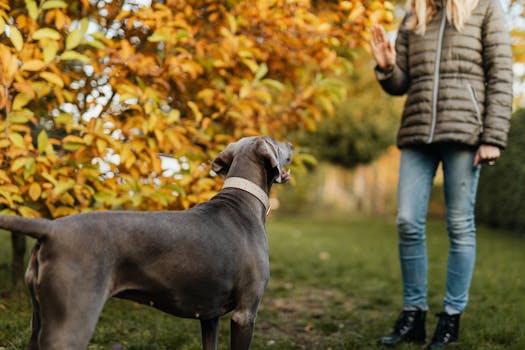
Ever felt like you’re speaking a different language to your dog? You’re not alone. While every dog is an individual, their breed heritage can offer significant clues about how they best learn. Understanding these inherent tendencies is the secret sauce to unlocking your dog’s full potential and making training a joy, not a chore. So, how do breeds differ in learning styles and what are the training tips for each that actually work? Let’s dive in.
Why Breed Matters: It’s Not Just About Looks
Your dog’s breed isn’t just about a certain coat color or ear shape; it’s a blueprint of generations of selective breeding for specific jobs. Herding dogs were bred to think independently, monitor flocks, and respond to subtle cues. Scent hounds were developed to follow a trail with single-minded focus. Terriers were built for tenacity and digging. These ingrained traits directly influence their approach to learning. Ignoring this can lead to frustration on both ends of the leash.
The Driven vs. The Thoughtful: A Core Distinction
One of the most significant ways breeds differ in learning styles is their primary motivation and processing style. Some breeds are highly driven by external rewards and rapid reinforcement, while others excel with more thoughtful, problem-solving approaches.
#### High-Drive Breeds: Action & Reward
Breeds like Border Collies, Australian Shepherds, Belgian Malinois, and many working and sporting breeds often fall into this category. They are bred to do. They thrive on clear commands, immediate feedback, and consistent rewards.
Training Tip: For these dogs, positive reinforcement with high-value rewards is paramount. Think tiny pieces of cheese, bits of cooked chicken, or a favorite squeaky toy. Keep training sessions short, energetic, and focused on success. They learn quickly through repetition and the immediate gratification of a job well done.
What to Avoid: Long, drawn-out explanations or overly complex scenarios can overwhelm them. They want to act, not ponder for too long. If they’re not getting it, it’s often because the cue isn’t clear or the reward isn’t motivating enough.
#### Independent Thinkers: Puzzle Solvers
On the other hand, breeds like Basenjis, Basset Hounds, Beagles, and many terriers have a history of working somewhat independently, often with scent as their primary guide. They are often intelligent and capable of problem-solving, but might question why they should do something.
Training Tip: Patience and understanding their motivations are key here. Instead of brute force repetition, engage their curiosity. Make training a game where they have to figure things out. Use their natural instincts – for scent hounds, incorporate scent work into training. For terriers, channel their digging drive into appropriate outlets. They often respond well to clicker training and a consistent, calm approach.
What to Avoid: Forcing them into repetitive tasks they see no purpose for will likely result in disengagement or outright refusal. They need to understand the ‘what’s in it for me?’ aspect, even if it’s just the praise and attention from their handler.
Scent-Driven vs. Sight-Driven Learners
Another crucial differentiator is how breeds process information, particularly through scent versus sight and sound.
#### The Nose Knows: Scent-Oriented Breeds
Bloodhounds, Basset Hounds, Beagles, Labrador Retrievers, and many hunting breeds are intensely driven by their noses. They live in a world of smells, and this profoundly impacts their training.
Training Tip: Leverage their powerful noses! Scent games (like finding hidden treats or toys) are incredibly effective training tools for these breeds. They will focus intently on a scent trail, making them highly trainable for scent discrimination tasks or even just for reinforcing obedience commands by rewarding them with a scent-based item. Their recall might be challenging if a fascinating scent is present, so practice recall in controlled environments first.
What to Avoid: Expecting them to ignore a strong scent for a visual cue can be a losing battle. Understand that their olfactory world is their primary reality.
#### The Watchful Eyes: Sight & Sound Oriented Breeds
Herding breeds, guard dogs, and many sighthounds often rely more heavily on visual cues and sounds. They are adept at watching their handler and their environment.
Training Tip: Clear hand signals and vocal cues are vital for these breeds. They are often excellent at reading body language, so your movements and tone of voice are powerful training tools. They can learn complex sequences of commands based on visual and auditory signals.
What to Avoid: Relying solely on their nose to guide them can be less effective. They are more likely to be distracted by visual stimuli than scent trails in their immediate vicinity, unless the scent is overwhelmingly compelling.
Social Butterflies vs. Independent Spirits
A dog’s inherent need for social interaction and their comfort level with independence also shapes their learning style.
#### Pack Mentality: Socially Driven Breeds
Many Retrievers, Spaniels, and breeds known for their people-pleasing tendencies thrive on being part of the family and actively seek to please their handlers.
Training Tip: These dogs are often eager to learn and highly motivated by praise and attention from their human. Positive reinforcement, especially verbal praise and affection, goes a long way. They excel in environments where they are actively involved with their people, making family training sessions highly effective. They are generally easy to train for basic obedience and advanced tricks.
What to Avoid: Isolation or harsh corrections can severely damage their confidence and willingness to engage. They need to feel connected to their handler to perform at their best.
#### The Lone Wolf: Independent Breeds
Certain breeds, like Akita Inus, Shiba Inus, and some northern breeds, can be more independent and less overtly motivated by pleasing their handler in the same way a Labrador might be.
Training Tip: While they may not be as outwardly eager to please, they are still intelligent and trainable. Focus on building a strong relationship based on mutual respect and clear communication. Use motivators that they find rewarding, which might be a specific toy or a high-value treat they don’t get at other times. Think of training as a negotiation where you clearly communicate your expectations and they willingly participate.
What to Avoid: Assuming they are stubborn or untrainable is a mistake. They simply have a different motivation system. Forcing them will likely lead to them shutting down or digging in their heels.
Building a Training Plan That Honors Your Breed
Understanding how breeds differ in learning styles and applying these training tips for each specific breed characteristic is not about pigeonholing your dog. It’s about providing them with the most effective path to understanding and success.
Observe Your Dog: Even within a breed, individual personalities vary wildly. Pay close attention to what truly motivates your dog. What makes their tail wag with excitement? What makes them perk up and focus?
Be Flexible: While breed tendencies are a great starting point, be prepared to adjust your approach. If your “independent thinker” is absolutely obsessed with a particular game, use that to your advantage for other training.
Consistency is King: Regardless of breed, consistency in commands, rewards, and expectations is the bedrock of successful training.
Seek Professional Guidance: If you’re struggling, a qualified positive reinforcement trainer can help you tailor a program specific to your dog’s breed and individual needs.
By recognizing and respecting the unique learning styles inherent in your dog’s breed, you’re not just training a dog; you’re building a stronger, more harmonious partnership. It’s about meeting them where they are, celebrating their natural abilities, and guiding them with understanding and effective methods. The result? A well-behaved, happy canine companion who truly understands you.