
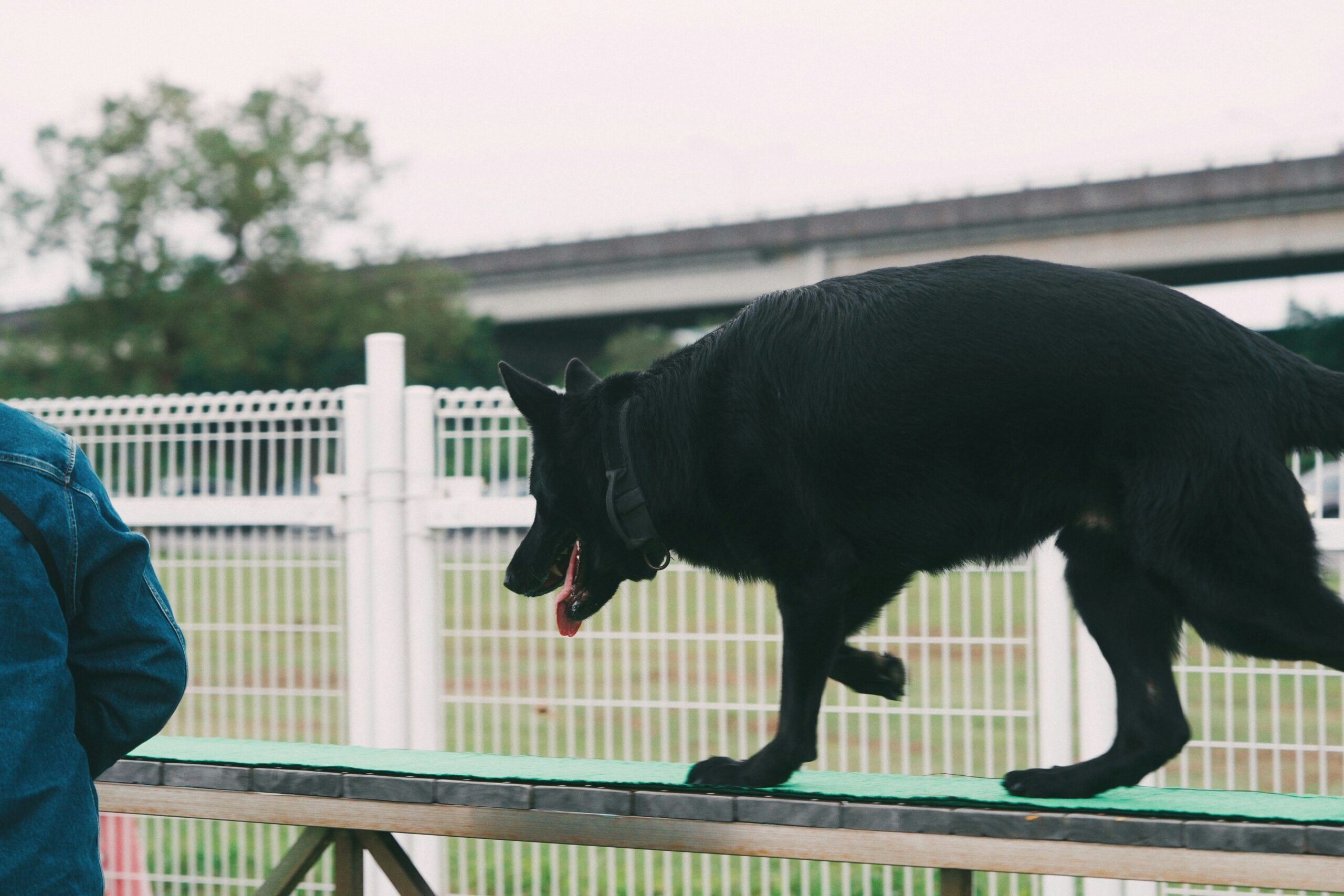
Teaching your pet new tricks isn’t just about entertainment; it’s a powerful way to build a stronger bond and improve their everyday behavior. Think of it as a conversation you have with your furry friend, where you’re both learning and understanding each other better. This guide will walk you through simple, practical tricks you can weave into your daily routine.
Before diving into specific tricks, it’s essential to establish a good relationship with your pet. This isn’t about grand gestures, but consistent, positive interactions.
Understanding Your Pet’s Motivation
Every pet is different. Some are driven by food, others by praise, and some by toys. Figure out what truly excites your individual animal. This is your key to unlocking their willingness to learn.
The Power of High-Value Rewards
For many pets, especially dogs, food is a strong motivator. Don’t underestimate the impact of a small, tasty treat that’s a step up from their regular kibble. Think cheese, small pieces of cooked chicken, or specialized training treats.
Play as a Reinforcer
For some pets, especially cats and some dog breeds, play is the ultimate reward. A quick game of fetch, a feather wand chase, or a tug-of-war can be incredibly effective after they’ve performed a desired action.
The Importance of Consistency
Sporadic training won’t yield lasting results. Whether it’s you, your partner, or other family members, everyone who interacts with the pet should be on the same page with commands and reward systems.
Setting Clear Expectations
Pets thrive on routine and predictability. When you introduce a new command, make sure it’s always applied in the same way, with the same cue word. This helps prevent confusion.
Everyday Commands for Better Manners
These are not just ‘tricks’ in the performance sense; they are tools that can make daily life smoother and safer for both you and your pet.
“Sit” for a Calm Greeting
This is a classic for a reason. Teaching your dog to sit is a fundamental step towards impulse control. It’s incredibly useful when greeting guests or even just when you’re trying to get your leash on.
Making “Sit” Easy to Learn
Start in a quiet environment with minimal distractions. Hold a treat just above your dog’s nose. As they follow the treat with their nose, their rear end will naturally lower. The moment their bottom touches the ground, say “Sit” and give them the treat and praise. Repeat this many times.
Graduating from Luring to Cue
Once your pet reliably sits when you lure them, start fading the lure. Do the motion of holding the treat but don’t actually give it until they sit. Gradually, you can make the hand motion smaller and eventually rely solely on the verbal cue “Sit.”
“Stay” for Peace and Quiet
This command is invaluable for those moments when you need your pet to hold a position. Think about when the doorbell rings, or you’re trying to serve food.
The Three Ds: Duration, Distance, Distraction
When teaching “Stay,” you’ll work on these three elements gradually. Start with a very short duration, just a second or two. Then, introduce a very short distance, only a step away. Finally, slowly add mild distractions.
The “Release” Word is Crucial
Just as important as the “Stay” command is the “release” word. This tells your pet they are free to move. Common release words are “Okay,” “Free,” or “Break.” Always use a happy, encouraging tone when you release them. This helps them understand the boundaries of the stay.
“Come” When Called: Safety First
A reliable recall is arguably the most important command for your pet’s safety. It could literally save their life if they ever get loose.
Positive Recall Training
Never use “Come” for something your pet dislikes, like nail trims or bath time. This will create negative associations. Instead, make coming to you the most rewarding thing ever. When your pet comes to you, shower them with praise and a high-value treat.
Making Yourself Exciting
When practicing “Come,” get down on their level, clap your hands, and use an enthusiastic voice. Make yourself the most interesting thing in their world at that moment. Gradually increase the distance and add mild distractions.
Beyond the Basics: Tricks for Mental Stimulation and Fun

Once your pet has a handle on the essential commands, you can introduce some fun tricks that also engage their minds and further strengthen your bond.
“Paw” or “Shake” for Friendly Interaction
This is an adorable trick that’s also a great way for your pet to interact politely with people.
Guiding the Paw
Gently take your dog’s paw in your hand. As you lift it slightly, say “Paw” and give them a treat. Repeat this, gradually making the lift of the paw smaller until they offer it on their own.
Building on Success
Once they consistently offer their paw, you can start having them ‘shake’ your offered hand. This is a progression from just lifting their paw.
“Down” for Relaxation and Calmness
The “Down” command is another excellent way to encourage relaxation and can be a good alternative to “Sit” in certain situations, offering a more grounded posture.
Earning the Down
From a sit position, hold a treat near your pet’s nose and slowly lower it towards the ground and slightly away from them. They will likely lie down to follow the treat. As their elbows touch the ground, say “Down” and reward them.
Patience with the Process
Some pets, especially those who are bouncy or nervous, might take a bit longer to understand “Down.” Be patient and keep the sessions short and positive. Avoid forcing them into the position, as this can create fear.
Addressing Common Behavioral Challenges Through Training

Many everyday behavioral issues can be significantly improved, or even resolved, with the right training techniques.
Counter-Surfing and Nosing Around
This is often driven by curiosity and the scent of enticing food. Teaching “Leave it” is your primary tool here.
The “Leave It” Command
Start by holding a treat in your closed fist. Let your pet sniff and paw at your hand. When they stop trying to get the treat, open your hand and give them the treat. Once they understand this, place a treat on the floor, cover it with your hand, and say “Leave it.” Gradually uncover it and reward them for looking away from the treat.
Progressing to More Tempting Items
Once they reliably leave the treat on the floor, you can start using less exciting kibble initially, progressing to more tempting items. Always ensure they are rewarded for disengaging.
Excessive Barking
This can be driven by boredom, attention-seeking, or anxiety. Understanding the ‘why’ is key to the solution.
Teaching a “Quiet” Command
When your pet is barking, wait for a brief pause. The moment there’s a gap, say “Quiet” and immediately reward them with a high-value treat. This teaches them that silence is rewarded.
Managing Triggers
While training “Quiet,” it’s also important to manage the environment. If they bark at windows, block their view. If they bark for attention, ignore the barking and only provide attention when they are calm.
Making Training a Part of Your Daily Life
| Trick | Description | Benefits |
|---|---|---|
| Sit | Teaching your pet to sit on command | Helps with impulse control and calm behavior |
| Stay | Training your pet to stay in one place | Improves obedience and self-control |
| Fetch | Teaching your pet to retrieve objects | Provides mental and physical exercise |
| Leave it | Training your pet to leave items alone | Prevents destructive behavior and promotes safety |
The most effective training integrates seamlessly into your everyday activities. It shouldn’t feel like a chore, but rather a natural extension of your interaction with your pet.
Short, Frequent Sessions
Several short training sessions throughout the day are far more effective than one long, drawn-out session. Five to ten minutes, a few times a day, is ideal.
Reinforcing Good Behavior Incidental Training
Catch your pet doing something right and reward them. For example, if your dog lies down calmly while you’re eating, give them a quiet treat and praise. This reinforces desired behaviors without formal commands.
Incorporating Training into Walks and Playtime
Use your walks to practice “Heel” or recall. During playtime, incorporate commands like “Sit” before throwing a toy. This keeps things fun and reinforces learning in different contexts.
Patience and Positive Reinforcement
Remember that every pet learns at their own pace. There will be good days and not-so-good days. The key is to remain positive, patient, and consistent. Celebrate small victories and don’t get discouraged by setbacks. By making training a positive and consistent part of your routine, you’ll not only teach your pet new skills but also deepen the trust and understanding between you.
FAQs
What are some everyday tricks that can improve my pet’s behavior?
Some everyday tricks that can improve your pet’s behavior include sit, stay, come, leave it, and walking on a loose leash.
How can teaching my pet tricks improve their behavior?
Teaching your pet tricks can improve their behavior by providing mental stimulation, building a stronger bond between you and your pet, and reinforcing positive behaviors.
What are some tips for effectively teaching my pet tricks?
Some tips for effectively teaching your pet tricks include using positive reinforcement, being patient and consistent, breaking the trick down into smaller steps, and practicing in a quiet and familiar environment.
What should I do if my pet is not responding to the training for tricks?
If your pet is not responding to the training for tricks, you may need to reassess your training methods, seek professional help from a trainer, or consider if there are any underlying health or behavioral issues that may be affecting their ability to learn.
Are there any tricks that I should avoid teaching my pet?
It is important to avoid teaching your pet any tricks that could potentially put them in danger or encourage undesirable behaviors, such as jumping on people or begging for food.