
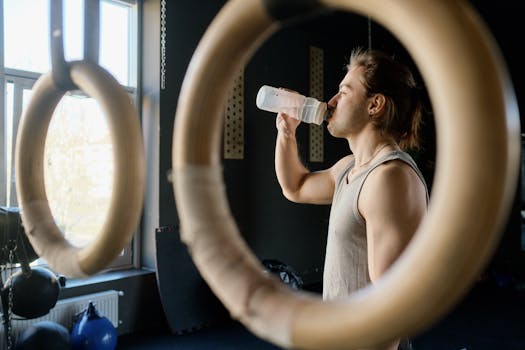
Ever feel like you’re running on fumes, even after a full night’s sleep? Or perhaps your brain feels like it’s wading through molasses on a Monday morning? Before you reach for another cup of coffee or an energy drink that promises the moon, have you considered something far simpler, far more fundamental? We’re talking about good ol’ H2O. Yes, water. That clear, tasteless liquid that feels so basic, yet plays a starring role in pretty much every single process happening inside your body and mind. Understanding the role of hydration in physical and mental health is less about complex medical jargon and more about appreciating the incredible, often overlooked, power of what you drink. Let’s dive in, shall we?
Your Body: A Symphony Conducted by Water
Think of your body as a finely tuned orchestra, and water is the conductor, ensuring every instrument plays its part in harmony. From the microscopic workings of your cells to the grand movements of your limbs, water is essential. It’s not just a beverage; it’s a fundamental building block of life.
#### Fueling Your Engine: Hydration’s Impact on Energy
When we talk about energy, we often think of calories or stimulants. But a significant energy dip can simply be your body screaming for more water. Dehydration, even mild, can lead to fatigue, reduced stamina, and that general feeling of “blah.” Water is crucial for transporting nutrients and oxygen to your cells, which are your body’s powerhouses. Without enough of it, your cells can’t efficiently convert food into usable energy. It’s like trying to run a car on half a tank of gas – it’s going to sputter and stall.
#### Keeping the Machinery Smooth: Hydration for Physical Function
Beyond energy, water is the lubrication for your entire physical system.
Joint Health: Those creaky joints? Water acts as a shock absorber and lubricant for your joints, helping them move smoothly and preventing friction. Think of it as oil for your biological hinges.
Temperature Regulation: Ever wonder how you don’t overheat during a workout? Water is key to sweating, your body’s natural air conditioning system. It evaporates from your skin, cooling you down.
Digestion and Nutrient Absorption: Water helps break down food so your body can absorb the good stuff. It also keeps things moving through your digestive tract, preventing constipation – a rather unpleasant consequence of skimping on fluids.
Kidney Function: Your kidneys are your body’s filtration system, and they need water to flush out waste products and toxins. Dehydration can put a strain on these vital organs.
The Brain’s Best Friend: Hydration’s Cognitive Boost
Now, let’s talk about that often-foggy brain. You might be surprised to learn that proper hydration is just as critical for your mental acuity as it is for your physical well-being. In fact, the role of hydration in physical and mental health is so intertwined, it’s hard to separate them.
#### Sharpening Your Focus: Water and Cognitive Performance
Even a slight drop in your body’s water levels can impact your brain’s ability to function optimally. Studies have shown that dehydration can lead to:
Reduced concentration and attention span. That constant urge to check your phone might be your brain begging for a sip of water.
Impaired short-term memory. Forgetting where you put your keys again? Water might be the key.
Slower reaction times. When seconds count, don’t let dehydration slow you down.
Decreased problem-solving skills. Complex tasks can feel insurmountable when your brain is running on empty, fluid-wise.
It’s interesting to note that the brain is composed of about 75% water. So, it stands to reason that keeping that water level topped up is crucial for keeping its complex machinery running smoothly.
#### Mood Swings and Stress: How Water Affects Your Emotions
Feeling irritable, anxious, or just generally down? Dehydration can be a culprit here too. While not a cure-all for serious mood disorders, staying hydrated can contribute to a more stable emotional state. When you’re dehydrated, your body releases more cortisol, the stress hormone. This can exacerbate feelings of anxiety and stress. On the flip side, adequate hydration can help promote a sense of calm and well-being. It’s a simple, natural way to support your mental resilience.
Decoding Your Thirst: How Much is Enough?
The classic “eight glasses a day” advice is a decent starting point, but it’s far from a one-size-fits-all solution. Your individual hydration needs depend on a cocktail of factors:
Activity Level: The more you sweat, the more you need to drink.
Climate: Hot and humid weather means more fluid loss.
Diet: Foods with high water content (fruits, vegetables) contribute to your intake.
Health Conditions: Certain illnesses or medications can affect your hydration needs.
Age: Older adults may have a diminished sense of thirst.
Listen to your body! Thirst is your body’s signal that it’s already a little behind. Don’t wait until you feel parched. A good indicator of adequate hydration is consistently pale yellow urine. If it’s dark and strong-smelling, you’re likely not drinking enough.
Beyond Water: Hydration Heroes and Hidden Pitfalls
While plain water is the undisputed champion, other beverages can contribute to your fluid intake. However, there are nuances:
Herbal Teas and Infused Water: Excellent choices that add flavor without the downsides of sugary drinks.
Fruits and Vegetables: Many produce items, like watermelon, cucumber, and oranges, are packed with water.
Caffeinated Beverages (in moderation): While coffee and tea have a mild diuretic effect, they still contribute to overall fluid intake, especially if consumed regularly. The key is moderation.
Sugary Drinks: Sodas, fruit juices (even 100%), and sweetened coffees/teas can contribute to hydration but also pack in empty calories and sugar, which can have their own negative health consequences. They’re not the best primary source of fluids.
Alcohol: This is a diuretic, meaning it actually makes you lose more fluid than you consume. If you’re enjoying an alcoholic beverage, make sure to offset it with extra water.
It’s also worth remembering that our bodies lose water constantly through breathing and perspiration, even when we don’t feel particularly hot or active. This ongoing loss needs to be replenished consistently throughout the day, not just in one go.
Making Hydration a Habit: Simple Strategies
Incorporating sufficient hydration into your daily routine doesn’t have to be a chore. It can be as simple as:
Keeping a reusable water bottle handy at your desk, in your car, or in your gym bag. Seeing it is a constant reminder.
Setting reminders on your phone or smart watch.
Starting your day with a glass of water before anything else. This helps rehydrate you after a night’s sleep.
Flavoring your water naturally with lemon, cucumber, mint, or berries if plain water feels boring.
* Choosing water-rich snacks like fruit and vegetables.
## The Takeaway: Sip Your Way to a Better You
Ultimately, understanding the role of hydration in physical and mental health reveals a powerful truth: this fundamental element is a cornerstone of our well-being, influencing everything from our energy levels and physical performance to our cognitive function and mood. It’s not about chasing a magic elixir; it’s about consistently providing your body with the essential resource it needs to thrive. So, the next time you feel sluggish, foggy, or just a bit ‘off,’ before you complicate things, consider the simple, profound power of a glass of water. Your body and mind will thank you for it, one refreshing sip at a time.