
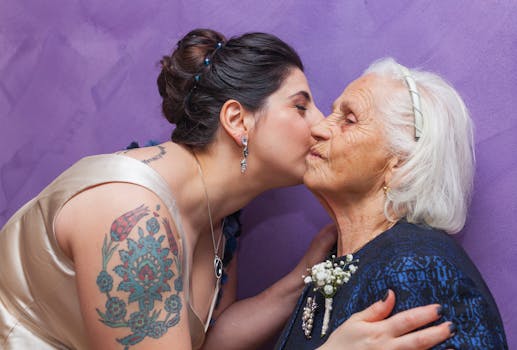
Have you ever paused to truly consider the sheer complexity inherent in something as seemingly simple as women hairs? We often take it for granted, a natural feature that frames our faces and expresses our identities. Yet, beneath the surface lies a fascinating interplay of biology, chemistry, cultural significance, and personal choice. Understanding women hairs in its entirety requires a deeper dive than just the latest styling trend or shampoo advertisement. It’s about appreciating the science behind its growth, the variables that influence its texture and health, and the profound ways it intersects with societal perceptions and individual self-expression.
Decoding the Biological Blueprint of Women Hairs
At its core, the structure and behavior of women hairs are dictated by genetics. Each strand originates from a follicle embedded in the dermis, a complex miniature organ responsible for producing hair. The growth cycle of hair is a well-orchestrated process, typically comprising three phases: anagen (growth), catagen (transition), and telogen (rest). The duration of the anagen phase is a key determinant of potential hair length, and this genetic predisposition varies significantly among individuals.
Furthermore, the type of hair produced – whether straight, wavy, or curly – is primarily influenced by the shape of the hair follicle. A round follicle tends to produce straight hair, while an oval or flattened follicle results in wavy or curly textures, respectively. Hormonal fluctuations, particularly during puberty, pregnancy, and menopause, also play a crucial role in modulating hair growth and density. For instance, increased androgen levels can lead to increased hair growth in certain areas, while decreased estrogen can sometimes contribute to thinning.
Navigating the Diverse Spectrum of Hair Textures and Types
The sheer diversity in women hairs is a testament to our varied genetic makeup. Beyond the fundamental classification of straight, wavy, and curly, hair can also be categorized by its thickness or diameter – fine, medium, and coarse. Fine hair, while potentially more prone to oiliness and lacking volume, can also appear smoother and silkier. Coarse hair, on the other hand, offers more body and resilience but can sometimes be more challenging to manage and prone to frizz.
Another critical aspect is hair porosity, which refers to the hair’s ability to absorb and retain moisture. Low porosity hair has tightly closed cuticles, making it resistant to moisture absorption but also excellent at retaining it once it gets in. High porosity hair, with its open cuticles, readily absorbs moisture but struggles to hold onto it, often leading to dryness and breakage. Understanding your hair’s porosity is a game-changer for effective care, guiding product selection and styling techniques. It’s fascinating how these subtle differences, often inherited, create such distinct hair characteristics.
The Art and Science of Hair Care: Tailored Approaches
Effective hair care for women is not a one-size-fits-all endeavor. It requires a nuanced understanding of individual hair needs, influenced by genetics, environmental factors, and lifestyle. A foundational element is proper cleansing. The choice of shampoo should be guided by scalp condition (oily, dry, sensitive) rather than solely by hair type. Over-washing can strip natural oils, leading to dryness and damage, while insufficient cleansing can result in product buildup and scalp issues.
Conditioning, conversely, is crucial for replenishing moisture and smoothing the hair cuticle. The application technique matters; focusing on the mid-lengths and ends, where hair is older and more prone to damage, is generally more effective than saturating the scalp. For those with finer hair, lightweight conditioners are key to avoid weighing strands down. Conversely, thicker or coarser hair might benefit from richer, more intensive moisturizing treatments. Furthermore, heat styling, chemical treatments, and even environmental aggressors like UV rays and pollution can compromise hair health, necessitating protective measures and restorative treatments.
Women Hairs: A Canvas for Cultural Expression and Identity
The significance of women hairs extends far beyond its biological and physical properties; it is deeply interwoven with cultural narratives, societal expectations, and personal identity. Throughout history and across diverse cultures, hairstyles have served as potent symbols of status, age, marital status, and even political affiliation. The evolution of beauty standards has constantly reshaped perceptions of what constitutes desirable or fashionable hair.
In contemporary society, women hairs often acts as a powerful tool for self-expression. Whether embracing natural textures, experimenting with bold colors, or opting for intricate braiding techniques, an individual’s hair choices can communicate a sense of individuality, confidence, and creativity. It’s a personal statement, a form of non-verbal communication that can be both empowering and liberating. The journey of finding a hairstyle that resonates with one’s inner self can be as profound as any aesthetic pursuit.
Long-Term Hair Health: Prevention and Proactive Strategies
Maintaining the vitality of women hairs over the long term involves a proactive approach that prioritizes prevention. Minimizing damage from heat styling by using heat protectants and employing lower temperature settings is paramount. Chemical processes like coloring, perming, and relaxing should be approached with caution, ideally performed by professionals and followed by intensive conditioning treatments.
Regular trims, even if only to remove split ends, are essential for preventing further breakage and maintaining a healthy appearance. Nutrition also plays an indirect but significant role; a balanced diet rich in vitamins and minerals, particularly biotin, iron, and protein, supports overall hair health from within. Furthermore, managing stress levels can positively impact the hair growth cycle, as chronic stress has been linked to various forms of hair loss. Paying attention to your scalp health, ensuring it’s clean and balanced, forms the bedrock of strong, healthy hair growth.
Wrapping Up: Embracing the Nuance of Women Hairs
Ultimately, understanding women hairs is an ongoing exploration of biological intricacies, aesthetic possibilities, and personal significance. The journey involves appreciating the genetic predispositions, mastering the art of tailored care, and recognizing the profound cultural and individual meanings embedded within our crowning glory. My advice? Don’t just follow trends; invest time in understanding your unique hair’s needs and embrace the power it holds as a form of authentic self-expression.