
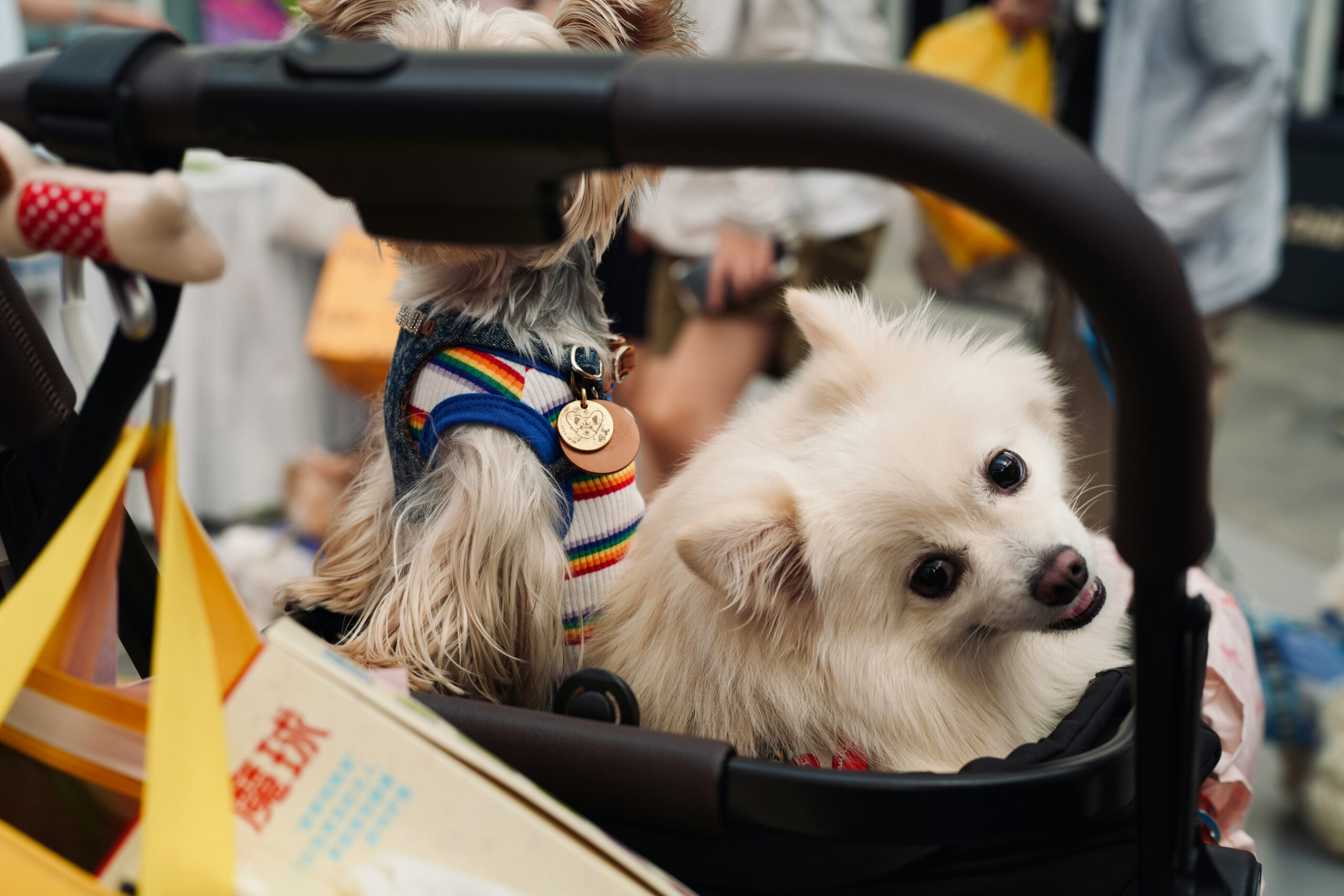
Pet fashion. It’s more than just cute outfits for Instagram. While it can definitely be fun to dress up your furry friend, the real importance of pet fashion often boils down to one key thing: comfort. For many pets, clothing isn’t about style points; it’s about practical benefits that can improve their well-being. Think about a thin-coated dog in winter, or a post-surgery cat needing a protective barrier. Pet clothing, when chosen thoughtfully, can go a long way in making their lives a little easier and more comfortable.
Let’s be honest, a lot of what we see in pet fashion is purely aesthetic. Little tutus, tiny ties – they’re charming, no doubt. But there’s a whole other side to pet clothing that’s about function. This isn’t about making your pet a fashionista; it’s about providing genuine assistance in various situations.
Temperature Regulation
This is probably one of the most obvious practical uses for pet clothing. Just like humans, pets can struggle with extreme temperatures.
Keeping Warm in Colder Climates
Some breeds simply aren’t built for cold weather. Think Greyhounds, Chihuahuas, or even short-coated Pit Bulls. Their thin fur offers minimal insulation. A well-fitting sweater or coat can make a huge difference in keeping them comfortable and preventing hypothermia during walks or even just lounging indoors in a chilly home. It acts as an extra layer, trapping body heat and protecting them from biting winds. This is even more crucial for older pets or those with health conditions that make them more susceptible to the cold.
Protecting from Heat and Sun
On the flip side, some pets need protection from the sun and heat. Hairless breeds like Chinese Cresteds are prone to sunburn, as are pets with light-colored or sparse fur. Lightweight, breathable fabrics can offer UV protection, shielding their sensitive skin from harmful rays. Cooling vests, designed with special materials that retain water and slowly evaporate, can help prevent overheating during summer walks or outdoor activities. These aren’t meant to replace shade and hydration, but rather to supplement those efforts.
Skin and Coat Protection
Pet clothing can act as a physical barrier for various skin and coat issues. It’s a simple, non-invasive way to manage certain problems.
Preventing Licking and Scratching
Pets, especially when they’re bored, anxious, or have an itch, can over-groom to the point of causing skin irritation or even open wounds. A comfortable, breathable body suit or a lightweight t-shirt can deter excessive licking or scratching, allowing the skin underneath to heal. This is particularly useful for pets recovering from hot spots, allergies, or minor skin abrasions. It’s often a gentler alternative to the dreaded “cone of shame” for some situations.
Allergy Management
For pets with environmental allergies, clothing can provide a layer of protection against allergens like pollen or dust mites. A full-body suit can reduce direct contact with these irritants, potentially lessening allergic reactions, particularly for outdoor excursions. While it won’t eliminate allergies, it can certainly contribute to managing symptoms and making the pet more comfortable. After an outdoor adventure, the garment can be washed, effectively removing trapped allergens.
Protecting Wounds and Incisions
Post-surgical recovery often involves preventing the pet from interfering with stitches or wounds. Specialized recovery suits offer a comfortable, secure alternative to Elizabethan collars. These suits cover the affected area, allowing the pet to move more freely and comfortably while still safeguarding the incision. They also keep the wound clean and protected from external contaminants.
Behavioral and Anxiety Support
It’s not just about physical comfort; sometimes, pet clothing can provide a sense of security that addresses psychological needs.
Anxiety and Stress Reduction
Just like swaddling a baby, gentle pressure can have a calming effect on some animals.
Thunderstorm and Fireworks Anxiety
Many pets experience significant stress during thunderstorms or fireworks displays. Anxiety wraps or vests, designed to apply constant, gentle pressure, can help alleviate these symptoms. The concept is similar to a weighted blanket for humans. This steady pressure can create a sense of security and reduce panic. While not a cure-all, many owners report a noticeable difference in their pet’s anxiety levels when wearing such garments during stressful events.
Separation Anxiety
For pets prone to separation anxiety, a snug-fitting garment might provide a similar calming effect. The consistent pressure can offer a sense of security and companionship when their owner is not present. This isn’t a substitute for behavior modification training, but it can be a helpful tool in conjunction with other strategies. It provides a tactile reassurance that might ease their distress.
Identification and Visibility
Sometimes, clothing serves a purpose beyond direct pet comfort, albeit one that indirectly contributes to their safety and welfare.
High Visibility for Safety
For pets that are walked in low-light conditions or near roads, brightly colored or reflective vests can be life-savers. These garments make the pet much more visible to drivers and pedestrians, significantly reducing the risk of accidents. This is particularly important for darker-colored pets who can blend into their surroundings easily. It’s a simple measure that offers considerable peace of mind for owners.
Service Animal Identification
For service animals, vests and harnesses often serve a critical identification purpose. They clearly communicate the animal’s working status to the public, preventing misunderstandings and ensuring they are granted access to necessary areas. These garments are not just functional; they are essential for the animal to perform their duties effectively and for the public to recognize their role.
The Importance of Fit and Material

When it comes to pet fashion, comfort is paramount. This means paying close attention to how a garment fits and what it’s made from. A poorly fitting or irritating piece of clothing is worse than no clothing at all.
Ensuring a Proper Fit
A comfortable garment is one that fits well. It shouldn’t restrict movement or cause any irritation.
Freedom of Movement
Any clothing for a pet should allow for a full range of motion. Their ability to walk, run, jump, and lie down should not be impeded. Straps shouldn’t dig into their armpits or groin. The garment shouldn’t be so tight that it restricts breathing or circulation, nor so loose that they can get tangled or trip over it. When trying on an item, observe your pet’s gait and movements to ensure there’s no visible discomfort or restriction.
Avoiding Chafing and Rubbing
Poorly designed or ill-fitting clothing can cause chafing, particularly in areas like the armpits, chest, and belly. Seams should be smooth, and edges should be soft. Materials that don’t breathe well can also cause sweat and irritation. Look for designs that are cut away from sensitive areas and constructed with soft finishing. Regularly check your pet’s skin under their clothing for any signs of redness or irritation.
Choosing the Right Materials
The fabric choices have a massive impact on comfort and functionality. This isn’t just about how it looks; it’s about how it feels against their skin and how it performs.
Breathable and Non-Irritating Fabrics
Natural fibers like cotton are often a good choice for general wear as they are breathable and less likely to cause irritation. Bamboo and hemp blends can also be gentle on sensitive skin. For warmth, fleece or wool blends can provide excellent insulation without being excessively bulky. Synthetic materials can be useful for waterproof properties or specific cooling technologies, but ensure they are designed for pet wear and don’t trap heat or cause static. Avoiding rough or scratchy textures is key.
Easy to Clean and Maintain
Let’s face it, pets can be messy. Any clothing they wear should be easy to clean. Machine washable items are generally preferable. Durability is also important, as pet clothing will likely endure a fair amount of wear and tear, not to mention frequent washing. Fabrics that shed easily or require complex cleaning routines might not be practical for everyday use.
Ethical Considerations and Responsible Ownership

While pet fashion can offer benefits, it’s crucial to approach it with responsibility and a focus on the pet’s welfare above all else.
Prioritizing Pet Welfare
The pet’s comfort and health must always be the top priority. If wearing an item causes distress, irritation, or restricts natural behaviors, it’s not appropriate, regardless of its intended benefit.
Monitoring for Discomfort
Always watch your pet carefully when they are wearing new clothing. Signs of discomfort can include excessive scratching, trying to chew off the garment, unusual stiffness in movement, or changes in their normal behavior. If you notice any of these signs, remove the clothing immediately. Periodically check under the garment for any skin redness, irritation, or matted fur, especially around seams and pressure points.
Avoiding Over-Dressing
Pets regulate their body temperature differently than humans. It’s possible to over-dress a pet, leading to overheating, particularly in warmer weather or indoors. If your pet is panting excessively, seems sluggish, or has warm ears, they might be too warm. Always consider the ambient temperature, your pet’s coat type, and their activity level when deciding if they need clothing. A general rule of thumb is that if you’re comfortable with a light layer, your pet might benefit from one too, but avoid excessive layering.
Respecting Individuality
Not all pets enjoy wearing clothing, and that’s perfectly fine. Some pets simply tolerate it, while others genuinely seem to appreciate the benefits.
Not All Pets Enjoy Clothing
Forcing a pet to wear clothing when they clearly dislike it can cause undue stress and anxiety. Some pets are naturally more tolerant, especially if introduced to clothing from a young age. Others will never be comfortable in garments. Observe your pet’s reactions. If they become withdrawn, aggressive, or appear genuinely miserable, it’s best to respect their boundaries and avoid clothing. There are always alternative solutions for any practical needs that clothing might address.
Gradual Introduction
If you decide to introduce clothing to your pet, do it gradually and positively. Start with short periods of wear, perhaps just a few minutes, while offering treats and praise. Gradually increase the duration as they become more accustomed to it. Make it a positive experience, not a punishment. This gradual approach can help build tolerance and even acceptance for some pets.
Ultimately, pet fashion, when used thoughtfully, can be a valuable tool for promoting a pet’s comfort, health, and safety. It’s about more than just aesthetics; it’s about providing practical solutions for temperature regulation, skin protection, and even anxiety management. By prioritizing proper fit, appropriate materials, and the pet’s individual needs and preferences, owners can ensure that any “fashion” choice truly benefits their beloved companion.
FAQs
What is pet fashion?
Pet fashion refers to the clothing and accessories designed for pets, including dogs, cats, and other animals. This can include items such as sweaters, coats, dresses, and even shoes or hats.
Is pet fashion important for comfort?
While some pet owners may enjoy dressing up their pets, it’s important to consider the comfort and well-being of the animal. Some pets may not enjoy wearing clothing or accessories, and it’s important to prioritize their comfort over fashion.
What are some considerations for pet fashion and comfort?
When considering pet fashion, it’s important to choose items that are made from comfortable, breathable materials. Additionally, it’s important to ensure that the clothing or accessories do not restrict the pet’s movement or cause any discomfort.
Are there any benefits to pet fashion?
Some pet owners may find that dressing up their pets in fashionable clothing and accessories can be a fun way to bond with their animals and express their personal style. Additionally, in some cases, pet clothing can serve a practical purpose, such as keeping a pet warm in cold weather.
How can pet owners prioritize comfort when it comes to pet fashion?
Pet owners can prioritize their pet’s comfort by choosing clothing and accessories that are the right size and fit for their animal, as well as paying attention to their pet’s body language and behavior to ensure they are comfortable with wearing the items.