
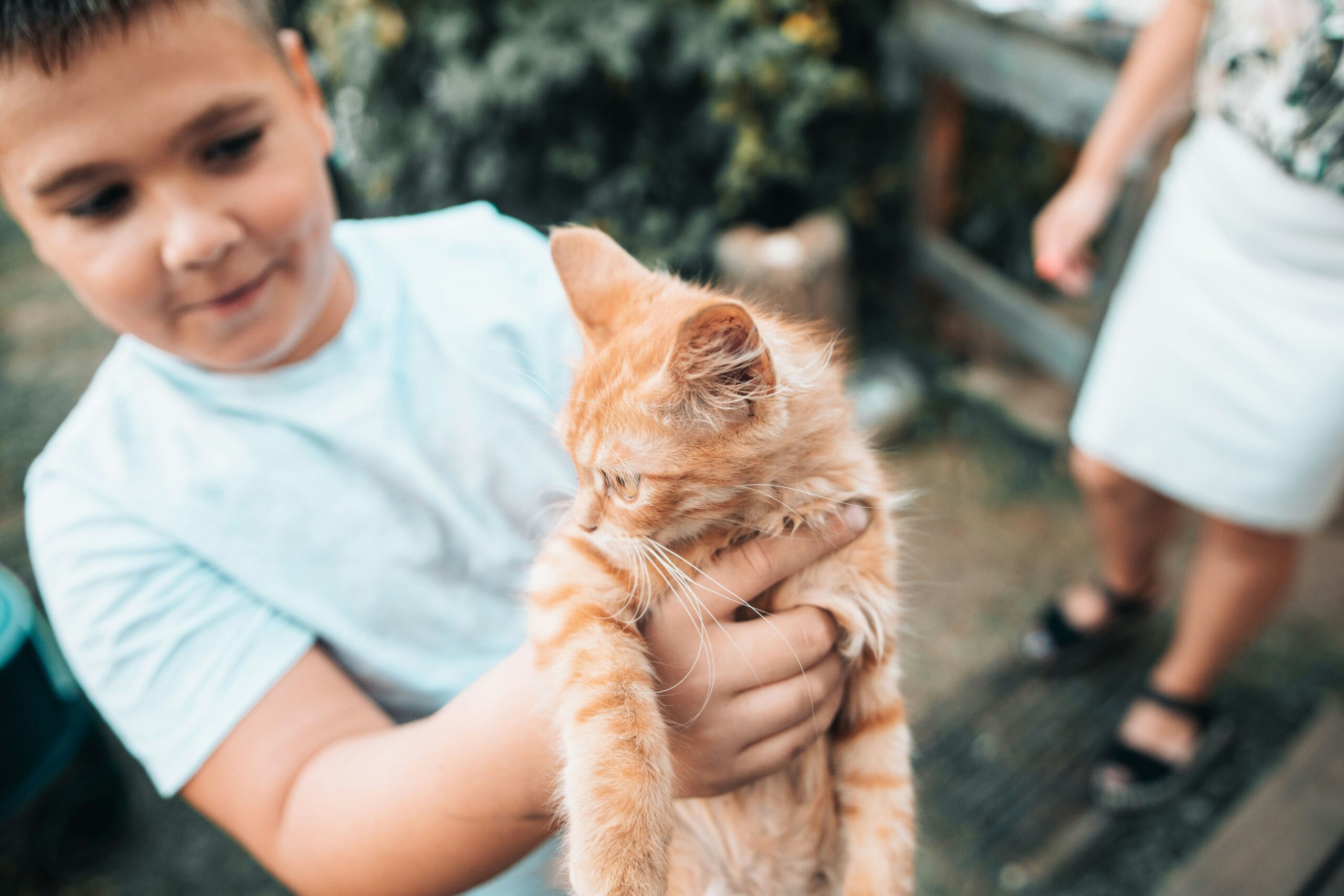
Thinking about adding a furry (or scaly, or feathered) friend to your life? That’s fantastic! One of the first big decisions you’ll face is where to get your new companion: adopt from a shelter or rescue, or purchase from a breeder or pet store. Both paths can lead to bringing a wonderful pet home, but they come with different considerations and ultimately, different impacts. This guide breaks down the key differences to help you make the choice that’s right for you and for the animal.
Adopting a pet is a deeply rewarding experience. You’re not just getting a pet; you’re giving a deserving animal a second chance at a happy life. Shelters and rescues are full of animals of all ages, breeds, and personalities, each with their own story and longing for a loving home.
The Impact of Giving a Home
- Saving a Life: This is the most direct and profound benefit. Shelters are often at capacity, and by adopting, you directly reduce overcrowding and free up space for other animals in need. It’s a tangible way to make a difference.
- Combating Overpopulation: Millions of companion animals enter shelters each year. Adoption directly addresses this issue by providing homes for existing animals rather than contributing to the demand for new litters.
- Ethical Considerations: Many people find adopting more ethically aligned than purchasing. They prefer to support organizations dedicated to animal welfare rather than contribute to industries that can sometimes prioritize profit over responsible breeding or animal care.
What to Expect When Adopting
- Vast Variety: You’ll find purebreds, mixed breeds, puppies, kittens, adult animals, and seniors. This diversity means you’re very likely to find a pet that perfectly matches your lifestyle, experience level, and preferences.
- Known Personalities: Adult animals in shelters often have established personalities, temperaments, and even training. This can be a huge advantage for first-time pet owners or those with specific needs. Shelter staff can often provide insights into an animal’s behavior and suitability for different home environments.
- “Pre-Loved” and Ready: Many adopted pets are already house-trained, have basic obedience skills, and have been socialized. This can significantly reduce the initial training effort required.
- Health Checks and Vaccinations: Most shelters and rescues provide initial veterinary care, including vaccinations, deworming, and spaying/neutering, before an animal is adopted. This often saves you considerable upfront veterinary costs.
- Lower Initial Cost: Adoption fees are typically much lower than the purchase price of a pet from a breeder or pet store. These fees usually cover the medical care the animal has already received.
Types of Adoption Resources
- Local Animal Shelters: These are often run by municipal animal control services or independent non-profit organizations. They house a wide range of animals and are a primary resource for adoption.
- Rescue Organizations: These are typically breed-specific or general animal rescue groups that pull animals from shelters or take in surrenders. They often foster animals in their own homes, providing a more intimate environment for assessment.
- Foster-Based Rescues: Animals in these programs live with volunteer foster families, offering an excellent opportunity to see how a pet behaves in a home setting.
The Case for Purchasing from a Breeder
Purchasing a pet from a reputable breeder can be a good option, especially if you have a specific breed in mind and want to understand the animal’s lineage and breed-specific traits. Responsible breeders are deeply invested in their animals’ well-being and the future of their breed.
Understanding Reputable Breeders
- Breed Expertise: Responsible breeders specialize in one or a few breeds. They possess extensive knowledge about the breed’s health predispositions, temperament, grooming needs, and training requirements.
- Health Testing: Good breeders conduct thorough health screenings on their breeding stock to identify and minimize the risk of genetic health problems common to the breed. They can show you documentation of these tests.
- Focus on Temperament and Health: Their primary goal is to produce healthy, well-tempered animals that conform to breed standards. They are not focused on mass production.
- Early Socialization: Reputable breeders will ensure puppies and kittens receive adequate socialization from birth, exposing them to various sights, sounds, and gentle handling, which is crucial for developing a well-adjusted adult.
- Commitment to Their Animals: They are careful in selecting buyers and often offer a lifetime commitment to their puppies or kittens, meaning they will take the animal back if it doesn’t work out at any point in its life.
What to Look For in a Breeder
- Clean and Caring Environment: Visit the breeder’s facility. The dogs and cats should be healthy, clean, and living in a well-maintained, safe environment.
- Meet the Parent Animals: You should have the opportunity to meet at least the mother of the litter. Observe her temperament and health.
- Ask Detailed Questions: A good breeder will ask you plenty of questions too, to ensure you’re a suitable owner. Don’t be afraid to ask them about their breeding practices, health testing, and the lineage of the parents.
- Transparency: They should be open and honest about any health concerns within the breed and how they are managing them.
- No Impromptu Sales: A responsible breeder won’t sell puppies or kittens on demand or through pet stores. They will likely have a waiting list and carefully vet potential buyers.
Potential Downsides of Purchasing
- Higher Cost: Puppies and kittens from reputable breeders are significantly more expensive than adoption fees.
- Difficulty Finding the Right Seller: Unfortunately, the pet industry contains unethical breeders and puppy mills. It requires diligent research to differentiate between responsible breeders and those driven by profit.
- Contribution to Pet Numbers: While not directly contributing to overpopulation in the same way as pet stores sourcing from mills, purchasing from a breeder adds another animal to the general pet population.
When Not to Purchase: Avoiding Puppy Mills and Unethical Sources

This is where the decision becomes critical for animal welfare. Many pets sold in pet stores or online come from large-scale commercial breeding operations, often referred to as puppy mills or kitten factories. These places prioritize profit over the well-being of the animals.
The Harsh Reality of Puppy Mills
- Poor Living Conditions: Animals in mills are often kept in cramped, unsanitary cages, with little to no socialization or veterinary care.
- Health and Behavioral Issues: Due to poor conditions and genetics, animals from mills are prone to significant health problems and behavioral issues later in life, leading to heartbreak and expensive vet bills for unsuspecting owners.
- Continuous Breeding: Female dogs are bred repeatedly with little recovery time, their health deteriorating rapidly.
- Lack of Socialization: Puppies and kittens are taken from their mothers too early and have minimal positive human interaction, leading to fearfulness and aggression.
Red Flags to Watch Out For
- Pet Stores Selling Puppies/Kittens: Most reputable breeders will not sell their animals through pet stores. The source of these animals is often questionable.
- Online Sellers with Too Many Breeds: If a seller has multiple litters of different breeds available at the same time, it’s a strong indicator they are operating a commercial facility rather than being a dedicated breeder.
- Refusal to Let You See Parents or Facility: A breeder who won’t let you visit their home or see the parent animals should be avoided.
- Lack of Health Guarantees or Poor Ones: Be wary of sellers who don’t offer comprehensive health guarantees or who have very limited guarantees.
- “Limited Time Offer” Tactics: These pressure tactics are common from unethical sellers.
Considering Pet Stores: A Complex Issue

While some pet stores might claim to source from local breeders, the reality is often more ambiguous. The larger, national chains frequently get their animals from large commercial kennels.
The Pet Store Dilemma
- Ambiguous Sourcing: It can be difficult to verify the living conditions and ethical practices of the actual breeders supplying the store.
- Focus on Impulse Buys: Pet stores are designed to encourage impulse purchases, which can lead to pets being returned when the novelty wears off.
- Health Concerns: Despite claims of good health, pets in pet stores are still exposed to various germs and can develop illnesses.
A More Responsible Approach
If you are set on purchasing a specific breed and cannot find a reputable breeder, consider looking for breed-specific rescues. These organizations often have purebred dogs or cats that need homes and can provide valuable information about the breed’s characteristics.
Making the Final Decision: What’s Best For You?
| Aspect | Adopting a Pet | Buying a Pet |
|---|---|---|
| Cost | Adoption fees are generally lower than buying from a breeder or pet store | Purchasing a pet from a breeder or pet store can be more expensive |
| Source | Shelters, rescue organizations, and animal control facilities | Breeders, pet stores, and online sellers |
| Health | Pets are usually spayed/neutered, vaccinated, and microchipped before adoption | May require additional veterinary care and vaccinations |
| Support | Shelters and rescue organizations often provide post-adoption support and resources | May vary depending on the breeder or pet store |
| Impact | Helps reduce pet overpopulation and supports animal welfare | Supports the breeding industry and pet trade |
Ultimately, the choice between adoption and purchase hinges on your personal circumstances, priorities, and what you’re looking for in a pet. Both paths require commitment, love, and responsible pet ownership.
Aligning Your Choice with Your Lifestyle
- Time Commitment: Are you prepared for the training demands of a young puppy or kitten, or would an adult animal with a potentially established routine be a better fit?
- Experience Level: If you are a first-time pet owner, an older, calmer animal from a shelter might be a more manageable introduction to pet ownership.
- Financial Resources: Factor in the initial cost of acquisition, as well as ongoing expenses for food, veterinary care, training, and supplies.
- Specific Breed Needs: If you have your heart set on a breed with very specific needs that can only be reliably met through a dedicated breeder, that’s a factor to consider.
The Long-Term Commitment
No matter where your pet comes from, remember that it’s a lifelong commitment. Be prepared for the rewards and challenges that come with sharing your life with an animal.
- Training and Socialization: All pets benefit from ongoing training and socialization, regardless of age or origin.
- Veterinary Care: Regular check-ups, vaccinations, and prompt attention to any health issues are crucial.
- Love and Attention: Pets thrive on attention, play, and affection. Ensure you have the time and desire to provide this.
- Adapting to Change: Life happens. Be prepared to adjust your pet’s routine and care as your circumstances change.
By thoughtfully considering these points, you can make an informed and responsible decision that brings joy to both you and your new animal companion for years to come.
FAQs
What is the difference between adopting and buying a pet?
Adopting a pet typically involves taking in an animal from a shelter or rescue organization, while buying a pet usually involves purchasing an animal from a breeder or pet store.
What are the benefits of adopting a pet?
Adopting a pet can help reduce the number of animals in shelters, provide a loving home for a pet in need, and often costs less than buying from a breeder or pet store.
What are the benefits of buying a pet?
Buying a pet from a breeder or pet store may provide more predictability in terms of breed, age, and health history of the animal.
What are the potential drawbacks of adopting a pet?
Adopting a pet may come with unknown health or behavioral issues, and the selection of specific breeds or ages may be limited.
What are the potential drawbacks of buying a pet?
Buying a pet may contribute to the demand for breeding, which can lead to overpopulation and the mistreatment of animals in some cases. Additionally, buying a pet can be more expensive than adopting from a shelter.